
How We Built a Controlled Distribution Network at Allied Grocers

In a supply chain where demand shifts quickly and product lifecycles continue to shorten, manufacturers can no longer afford uncertainty in the way surplus moves through the market. Traditional networks often depend on broad, high-volume relationships, which means wholesale food suppliers may distribute products widely but without the precision needed to protect brand integrity. This […]
Inside Allied Grocers: How We Move Millions of Pounds Through Alternative Markets

Most manufacturers only see the beginning and the end of surplus inventory: products leave the production line, and eventually, they either reach retail or need to be cleared. What happens in between is often a mystery, especially when large volumes must move quickly and quietly into alternative markets. Inside the logistics ecosystem that handles surplus […]
The Real Reason Overstock Liquidation Fails And What Actually Works

Overstock is one of those problems that builds quietly and then suddenly becomes impossible to ignore. A slight slowdown in retail orders, a production run that outpaces demand, or a shift in category strategy can leave manufacturers with pallets of product that no longer have a clear market. Many teams respond by turning to traditional […]
What Happens When Packaging Changes Leave You With Excess Goods?

The Hidden Costs of Packaging-Driven Surplus When packaging changes create sudden excess inventory, the impact extends far beyond the need to clear out old stock. The consequences ripple through the supply chain, affecting logistics, capital allocation, and operational efficiency. Storage strain, halted cash flow, and operational slowdown Excess goods tied to outdated packaging quickly consume […]
What Manufacturers Don’t Realize About Non-Traditional Distribution Channels

Most manufacturers rely heavily on traditional food distributors and retail channels when moving their products. These routes are familiar and predictable, which makes them feel like the safest choice. What many companies do not realize is that this reliance often creates blind spots, especially when dealing with surplus, reformulated, or closeout inventory. Non-traditional distribution channels […]
What We’ve Learned from Working With 250+ Manufacturers on Surplus Inventory Challenges

After working with 250+ vendor partners across the food, beverage, household, and personal care categories, Allied Grocers has observed a recurring pattern. Surplus inventory is not a sign of operational failure. It is an inevitable outcome of modern supply chains that move faster than forecasting models, packaging updates, and product transitions can keep pace with. […]
When Products Are Discontinued: What Happens to Remaining Inventory?

Products are discontinued for many reasons. Sometimes a formula changes, sometimes a category underperforms, and sometimes a brand refresh simply makes the existing version obsolete. Whatever the reason, the moment a product is retired from the active lineup, any remaining inventory becomes a logistical and financial burden. Traditional partners, including wholesale suppliers, are rarely able […]
Why Manufacturers Struggle With Surplus Inventory (And How to Fix It)
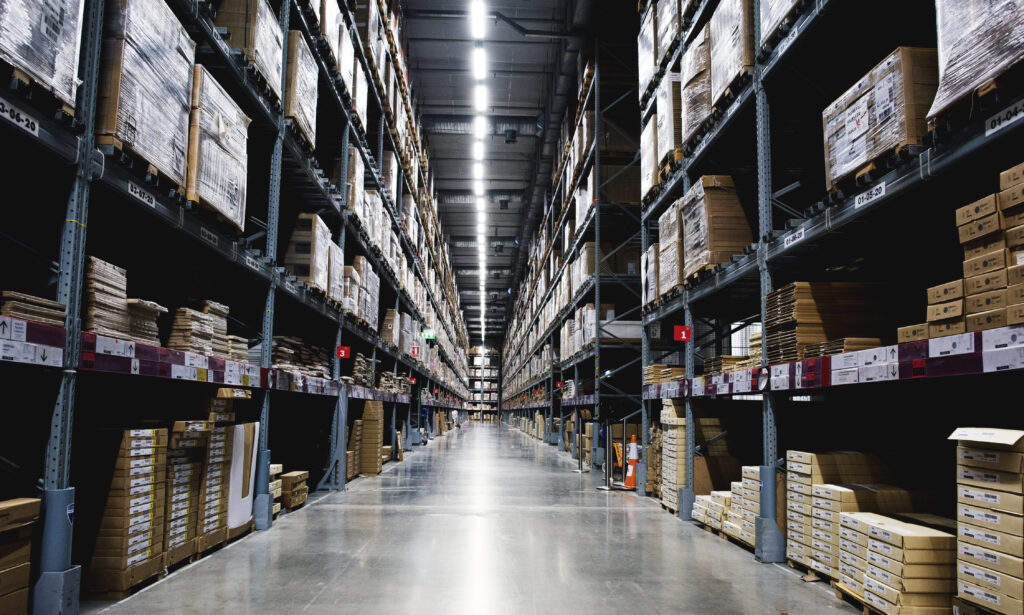
Surplus inventory rarely comes from a single mistake. It typically builds up through a combination of forecasting gaps, production requirements, unexpected retailer shifts, and product updates that occur more rapidly than the sales cycle. Manufacturers often turn to traditional wholesale suppliers to clear the excess, but these channels are not designed for speed, control, or […]
Why Short-Coded Products Become a Supply Chain Problem (And How to Move Them Fast)

Short-coded products represent one of the most challenging categories in modern manufacturing and supply chain management. Unlike regular inventory, these items come with time-sensitive expiration dates that create an urgent need for distribution, but only through carefully selected channels. Traditional approaches to moving these goods, like heavy discounting or rapid clearance, often end up causing […]
A Typical Surplus Inventory Scenario — Step-By-Step Breakdown
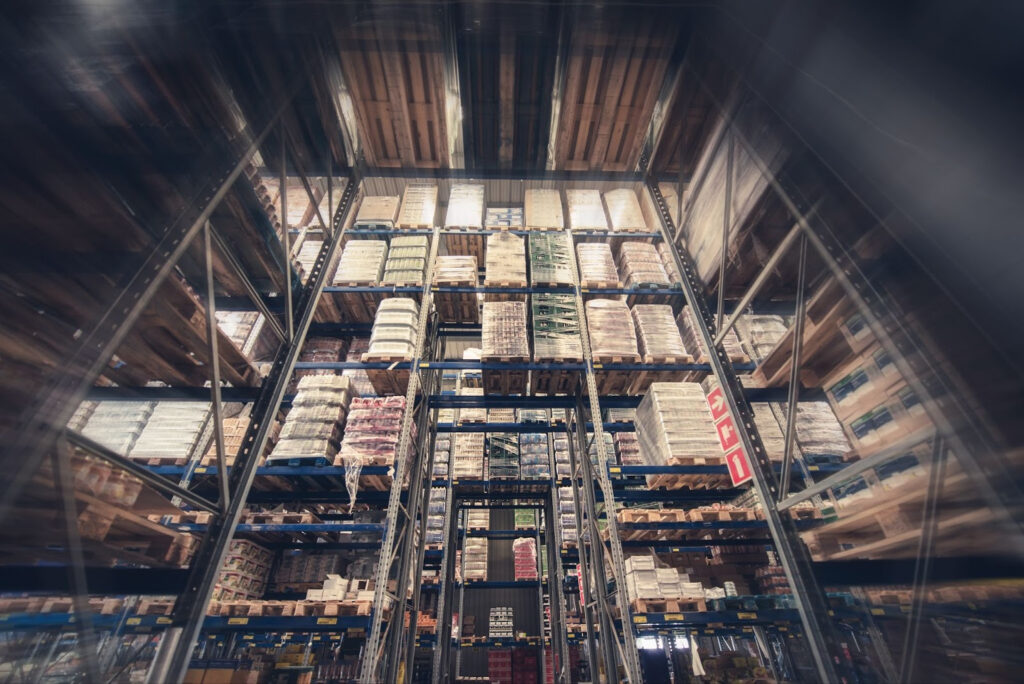
Surplus inventory does not appear all at once. It usually builds gradually as demand shifts, production schedules change, or orders fall short of forecasts. By the time manufacturers realize the extent of the issue, warehouses are strained, cash flow is slowed, and traditional distribution partners are unable to absorb the excess. A typical surplus inventory […]