
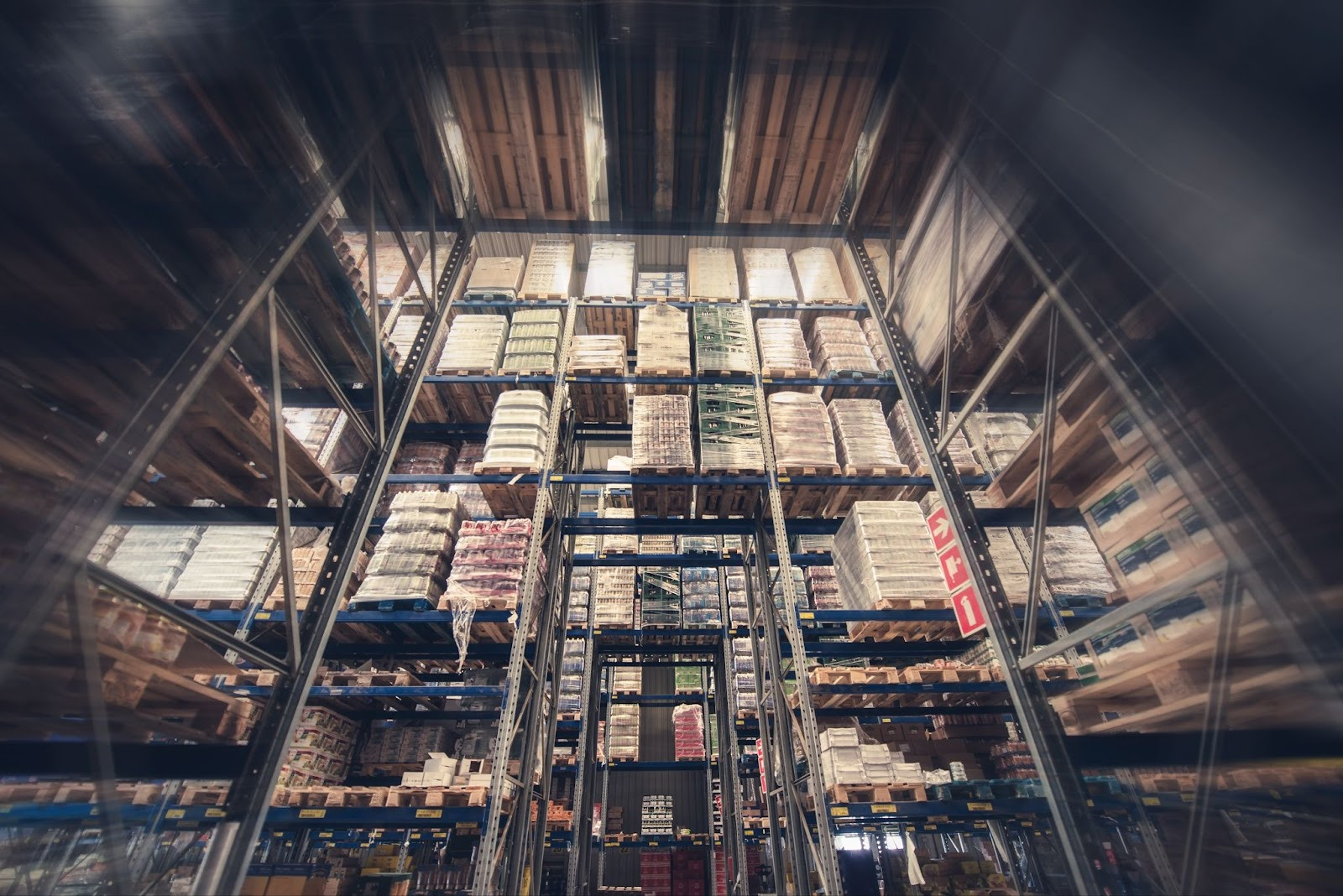
Surplus inventory does not appear all at once. It usually builds gradually as demand shifts, production schedules change, or orders fall short of forecasts. By the time manufacturers realize the extent of the issue, warehouses are strained, cash flow is slowed, and traditional distribution partners are unable to absorb the excess.
A typical surplus inventory scenario involves several decision points that happen quickly and often under pressure. Many companies instinctively look to their usual partners, such as wholesale food distributors, to solve the problem, only to discover that these channels are not designed for fast, controlled liquidation. When this happens, the next steps determine whether surplus stock becomes a manageable operational challenge or a costly disruption.
Breaking down a realistic, step-by-step scenario helps clarify where manufacturers lose control and what they can do to regain it, protect their brand, and move inventory with far greater efficiency.
Step 1 — Identifying the Surplus Inventory Problem Early
Detecting surplus inventory early is the difference between a fast, controlled resolution and a costly, reactive scramble. Most manufacturers face challenges not because they lack data, but because the signals of slow movement are easily overlooked when operations are running at full speed.
Signals that inventory will not move through primary channels
The first indications of excess inventory often appear long before the warehouse feels crowded. Slower-than-expected retailer orders, shifts in seasonal demand, or updated sales forecasts can reveal that primary channels may not be able to absorb upcoming production. Small discrepancies in purchasing patterns, extended shelf presence, or repeated delays in distributor commitments are additional signs that products may soon require an alternative route.
Recognizing these signals early gives manufacturers more time to plan redistribution, protect pricing, and avoid the last-minute pressure that leads to rushed decisions.

Step 2 — Assessing the Nature of the Surplus
Once surplus inventory is identified, the next step is to understand what type of surplus it is. Not all excess products can follow the same redistribution path. The characteristics of the inventory dictate where it can be moved, how quickly it must be moved, and which secondary channels are appropriate.
Shelf life, packaging, and formulation changes
Short-coded items, packaging transitions, and ingredient updates are among the most common drivers of surplus inventory. These changes create variables that influence the urgency and direction of liquidation.
Products with a limited remaining shelf life must be moved quickly into channels that can absorb them immediately. Packaging updates introduce aesthetic inconsistencies that make retail placement difficult. Reformulations present an additional challenge, as they render previous versions unsuitable for standard distribution.
Each of these elements affects the liquidation timeline and determines which buyers are suitable for receiving the inventory.
Why category and volume determine the next move
Surplus inventory is never one-size-fits-all. The product category — whether it is ambient food, refrigerated goods, household items, or beverages — heavily influences which secondary markets can accept it. Volume plays an equally important role. Large batches require buyers who can absorb high quantities at once, while smaller lots might be better suited for segmented distribution.
Understanding this relationship between category and volume ensures that the next step in the process is efficient, realistic, and aligned with operational constraints.
Step 3 — Determining Why Traditional Channels Cannot Absorb the Inventory
Even when surplus inventory is identified and properly evaluated, manufacturers often find that their primary distributors and retail partners cannot absorb additional product. This is usually not a matter of willingness, but of capacity, timing, and market alignment.
Retail conflict, pricing issues, and operational delays
Traditional retail channels operate with strict pricing structures, promotional calendars, and inventory planning cycles. When excess stock does not align with these schedules, retailers are unable to accept it without risking margin pressure or internal conflicts. Distributors face similar limitations, especially when warehouse space or transportation capacity is already committed to planned orders.
Operational delays further complicate the situation. If the surplus product requires immediate movement, mainstream partners may lack the agility to respond quickly. As a result, manufacturers must look beyond standard distribution if they want to clear inventory without harming existing relationships or disrupting market pricing.
Step 4 — Choosing the Right Secondary Path for Surplus Inventory
Once it becomes clear that traditional distributors and retail partners cannot absorb the excess inventory, manufacturers must determine where to direct the products. Choosing the correct secondary path is crucial because incorrect placement can disrupt pricing, damage retail relationships, or create market confusion. The right placement, on the other hand, clears inventory quickly while protecting the brand and stabilizing operations.
Matching products with the right buyer type
Secondary markets are not all the same. Some buyers specialize in high-volume intake, while others focus on specific product categories or strict handling requirements. The key is understanding which type of buyer is appropriate for each surplus scenario.
Ambient goods, beverages, household supplies, and shelf-stable food products often move well through institutional channels. Items with shorter shelf lives or specific handling needs require buyers with the right infrastructure and predictable intake cycles. Selecting the right buyer type ensures that surplus inventory moves efficiently and avoids markets where it could create conflicts.
Why low-visibility channels protect retail relationships
Low-visibility markets offer a unique advantage for surplus inventory, as they keep products out of mainstream retail spaces. When goods enter these controlled environments, they do not influence shelf pricing, retail promotions, or consumer perception.
This protection is especially important when dealing with products that are still in active production or appear on regular retail shelves at full price. Strategically redirecting surplus stock into low-visibility channels maintains market integrity and supports long-term partnerships with primary distributors and retailers.
The role of food wholesale companies in high-volume redistribution
Some surplus situations require the rapid movement of large quantities, and this is where food wholesale companies play a crucial role. These buyers are equipped to absorb significant volumes quickly and redistribute them into appropriate markets where visibility is low, and pricing remains stable.
Their operational scale, logistics infrastructure, and established relationships with alternative outlets make them a critical component in high-volume surplus scenarios. By working with such companies, manufacturers avoid bottlenecks, clear warehouse space faster, and maintain control over where products ultimately end up.
Step 5 — How Allied Grocers Executes Surplus Inventory Liquidation
When traditional channels cannot absorb excess goods and the right secondary path has been identified, execution becomes the most important step. Allied Grocers employs a structured process that enables the swift movement of products while maintaining pricing, brand positioning, and relationships with primary retail partners. By working with trusted partners, including established food wholesale companies, the company ensures that surplus inventory liquidation is handled efficiently and discreetly.
Evaluating surplus inventory and selecting appropriate markets
The process begins with a detailed review of the inventory. Allied Grocers evaluates product type, remaining shelf life, volume, and any handling requirements to determine which markets can receive the goods without creating retail conflicts.
Some surplus batches are ideal for large institutional buyers who can handle high-volume intake. Others require more selective placement to avoid overlap with active retail lines. By matching each product with a suitable destination, Allied Grocers ensures a smooth and controlled movement of inventory, even when timelines are tight.
Using controlled distribution channels to move product efficiently
After evaluation, the focus shifts to distribution. Allied Grocers directs products into controlled, low-visibility channels that are specifically chosen to minimize market disruption. These may include institutional buyers, regional discount outlets, and other non-traditional networks where mainstream retail exposure is not a risk.
By maintaining strict oversight of where products go and how they are delivered, Allied Grocers prevents discounted or time-sensitive items from appearing in environments that could undermine active retail partnerships. This controlled placement enables manufacturers to resolve surplus challenges quickly while preserving long-term brand integrity.

Step 6 — The Outcome: Faster Turnover and Protected Brand Integrity
When surplus inventory is evaluated correctly, routed into the right secondary markets, and moved through controlled distribution channels, the results are immediate and measurable. Warehouses clear faster, operational pressure decreases, and capital tied up in stagnant goods returns to the supply chain.
Most importantly, brand integrity stays intact. By preventing surplus stock from entering high-visibility retail environments, manufacturers avoid pricing conflicts, retail tension, and customer confusion. A well-managed surplus scenario strengthens both operational efficiency and long-term market positioning.
Final Takeaways From a Typical Surplus Inventory Scenario
A well-managed surplus inventory scenario shows how much control manufacturers can regain when they approach the process strategically. Instead of relying on last-minute decisions or placing pressure on traditional channels, companies benefit from structured surplus inventory liquidation that moves product efficiently and protects brand value.
This scenario highlights several key lessons. Early identification of surplus helps avoid reactive decisions. Understanding the nature of the inventory ensures that each product type is directed to the right market. Most importantly, using controlled secondary channels prevents market disruption and maintains stable relationships with primary distributors and retailers.
A structured, step-by-step approach is essential. It reduces operational risk, preserves pricing integrity, and keeps the brand insulated from unnecessary exposure. When manufacturers follow a defined process and partner with organizations that specialize in controlled distribution, surplus inventory becomes manageable instead of disruptive.