
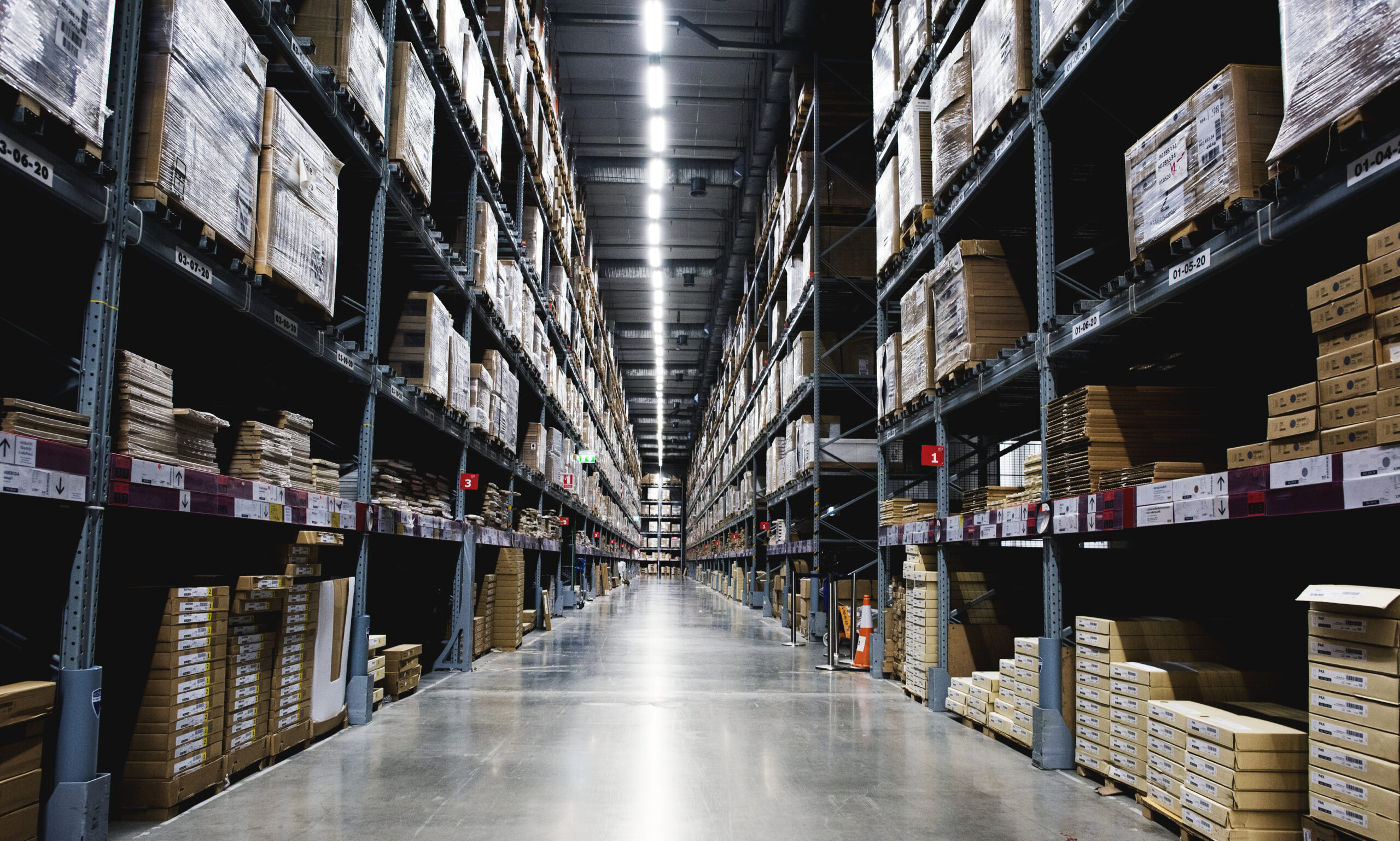
Surplus inventory rarely comes from a single mistake. It typically builds up through a combination of forecasting gaps, production requirements, unexpected retailer shifts, and product updates that occur more rapidly than the sales cycle. Manufacturers often turn to traditional wholesale suppliers to clear the excess, but these channels are not designed for speed, control, or brand protection. When products enter the wrong markets, even accidentally, the long-term impact can outweigh the short-term relief.
Once surplus stock starts filling warehouse space, it becomes more than an operational inconvenience. It ties up capital, slows down distribution planning, and creates pressure to make quick decisions that may not align with the brand’s values. Understanding how surplus inventory forms and why traditional approaches fail is the foundation for finding a solution that actually reduces risk instead of shifting it elsewhere.
Why Surplus Inventory Happens in Modern Manufacturing
Surplus inventory forms for many reasons, but what makes it especially challenging is how these causes overlap. A forecasting error alone might not create a problem. A product update alone might not create a problem. However, when several of these factors accumulate, manufacturers suddenly find themselves with inventory that does not align with the market’s pace or needs.
Forecasting errors and unexpected demand shifts
Forecasting is never perfect. Even small inaccuracies become amplified across large production runs. A product that sells steadily for years can slow down without warning, while a promotional spike can create misleading expectations for future orders. By the time the numbers adjust, pallets of unsold inventory are already sitting in a warehouse, waiting for a plan that should have been in place months earlier.
Product transitions: packaging, ingredients, and rebranding
When a manufacturer changes packaging or updates an ingredient list, the previous version becomes harder to place immediately. Retailers generally avoid stocking two versions of the same item, and distributors want clarity, not confusion. This type of surplus tends to accumulate quickly because the goods are still usable and of high quality, yet no longer align with the current product line. What was standard inventory yesterday becomes excess inventory today.
Production volume commitments and retailer requirements
Retail partnerships bring stability, but they also bring rigid expectations. Many manufacturers commit to minimum production volumes to secure shelf space or meet long-term supply agreements. These commitments often outlive actual demand. When a retailer reduces an order or phases out a product, manufacturers are left with inventory that cannot be returned to the same channel. The stock was produced for a specific buyer, and without that buyer, it has nowhere to go.
Limitations of traditional wholesale suppliers
Traditional wholesale suppliers are excellent for moving standard retail-ready products, but surplus inventory plays by different rules. Short-coded goods, items from discontinued lines, and products undergoing rebranding require controlled placement. Wholesale channels cannot guarantee that control. Products flow widely, visibility increases, and manufacturers lose oversight of where their goods appear. This lack of control is one of the primary reasons surplus inventory becomes a brand risk rather than a simple operational issue.
The Hidden Cost of Surplus Inventory
Surplus inventory doesn’t just sit quietly in the background. It creates a chain reaction that affects finances, operations, and long-term brand strategy. Many of these costs remain invisible at first, then grow steadily as products await the emergence of the right channel.
Financial pressure: storage costs and tied-up capital
Every extra pallet in a warehouse has a price. Storage fees accumulate month after month, especially when goods require specialized handling or climate control. The larger issue is the capital locked inside that inventory. Funds intended to support production, marketing, or seasonal planning often end up being tied up in goods that no longer move.
For manufacturers operating on tight margins, this creates a slowdown across the entire business. Decisions get delayed, production plans shift, and teams find themselves managing stock instead of moving it.

Brand exposure risk when goods reach the wrong market
Not every marketplace is suitable for every brand. When surplus inventory slips into the wrong environment, even accidentally, the impact can be long-lasting. Products may appear in stores that don’t reflect the brand’s positioning, at prices that undercut retail partners, or in regions where the manufacturer had no intention of entering.
This type of exposure is far more damaging than a slow sales cycle. It confuses customers, strains relationships with retailers, and weakens a brand’s value in the eyes of the market. Surplus stock becomes a visibility problem, not just an operational one.
Why Traditional Clearance Approaches Fail
Many manufacturers resort to heavy discounting when surplus inventory begins to accumulate, hoping it will generate enough sales to clear the space. This approach seems practical on the surface, but in reality, it often creates more long-term problems than it solves.
Discounting creates retail conflicts and damages positioning
Deep discounts push products into highly visible markets at prices that disrupt established retail relationships. Once a product appears at a fraction of its usual cost, it becomes difficult to maintain a consistent market position. Retail partners may question pricing integrity, customers may develop unrealistic expectations, and the product’s perceived value can shift almost overnight.
A single discount rarely stops at one consequence. It almost always triggers additional effects:
- Erosion of product value
- Confusion among end customers
- Potential strain on relationships with retail partners
When all of these factors combine, it becomes clear that traditional price-cutting approaches do not offer a real solution to surplus inventory. They simply shift the problem into markets where the brand has the most to lose.
What Effective Surplus Inventory Solutions Look Like Today
Modern surplus inventory management has shifted far beyond simple clearance tactics. The most effective solutions focus on protecting brand integrity, excluding products from sensitive markets, and establishing a fast and predictable path for goods that no longer align with the primary retail cycle. A strong solution does not just remove inventory. It removes risk.
Moving products through low-visibility alternative channels
Alternative channels give manufacturers options that traditional wholesale routes simply cannot match. Food pantries, correctional facilities, medical institutions, and independent discount stores offer controlled environments that operate outside of mainstream retail visibility.
These markets absorb large quantities quickly, but more importantly, they keep products away from spaces where pricing, branding, and merchandising must remain consistent. This type of placement enables surplus goods to be moved without competing with the primary product line.
Prioritizing speed and controlled placement
Speed matters because surplus inventory loses value every week it remains in storage. A strong solution focuses on rapid movement combined with controlled distribution, ensuring that goods reach the intended buyers without ending up in unintended retail settings.
Controlled placement prevents the kind of market overlap that confuses customers or disrupts pricing agreements. It also allows manufacturers to maintain oversight of where products appear, even when they are no longer suited for traditional retail.
Why mainstream retail is not the right endpoint for surplus goods
Mainstream retail thrives on consistency. Surplus goods, especially short-coded or outdated versions of current products, rarely fit that requirement. When these items reach standard shelves, they create mixed inventory, price inconsistencies, and a visual reminder that the brand is discounting or transitioning.
This creates tension with retail partners and dilutes the brand’s market position. Surplus goods require a controlled, secondary path that supports long-term brand strategy rather than undermining it.
How Allied Grocers Solves the Surplus Inventory Problem
At Allied Grocers, our surplus inventory solutions rely on controlled distribution to avoid retail conflicts. The focus is simple: move products quickly, place them in the right environments, and maintain oversight so brands remain protected throughout the entire process.
How the intake and evaluation process works
The process begins with understanding the nature of the inventory. Factors like remaining shelf life, packaging changes, volume, and category determine the most effective placement. Once the product details are reviewed, the team identifies which buyers and markets can accept the goods without creating overlap with mainstream retail.
This evaluation stage enables manufacturers to quickly remove inventory from their warehouses while gaining clarity on the products’ next destination.
Distribution into non-traditional, low-visibility markets
After the assessment, the inventory is directed into a network of buyers that operate outside typical retail visibility. These include food pantries, correctional facilities, medical institutions, and independent discount stores. Each of these environments supports fast movement and maintains distance from primary retail channels.
This structure enables surplus goods to exit the supply chain efficiently, without causing price disruptions, brand dilution, or market confusion.
A Smarter Way to Handle Surplus Inventory
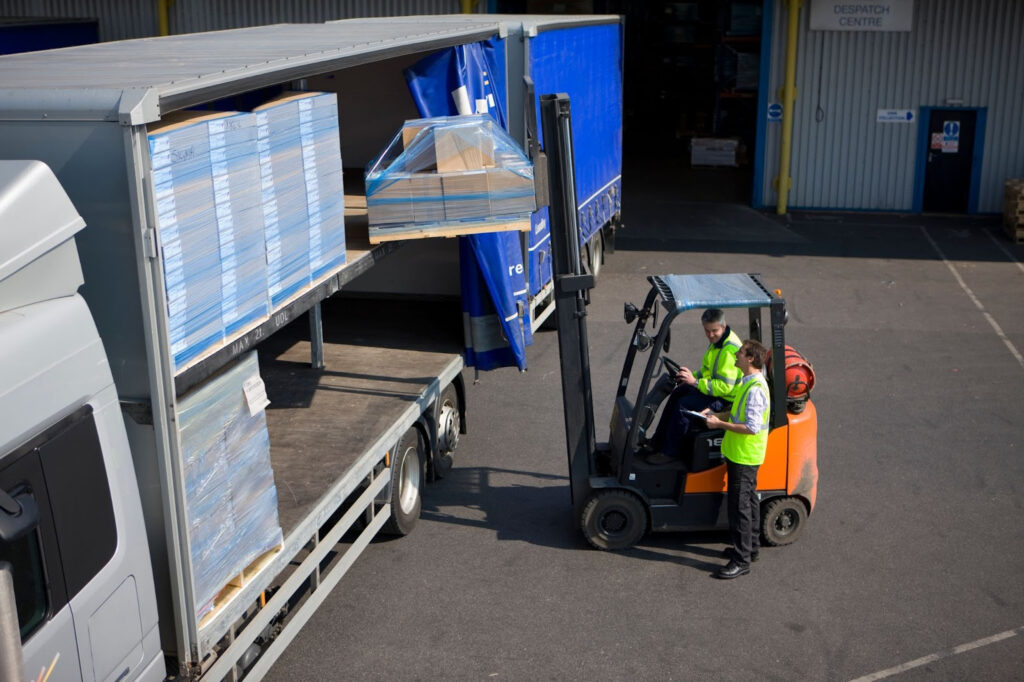
Surplus inventory will continue to challenge manufacturers as market conditions shift, production cycles speed up, and retail demands become less predictable. The key is not to treat excess stock as an isolated problem, but as a signal that better systems and surplus inventory solutions are needed. When products are distributed through the right channels and placement is controlled, manufacturers can protect their margins, warehouse capacity, and brand.
Clear processes, reliable secondary markets, and partners who understand the importance of brand-safe distribution make a measurable difference. With the right approach, surplus inventory becomes manageable instead of disruptive, and long-term operations remain stable.